

2003 was a stellar year for significant cultural moments on Earth.
The launch of the iTunes store kickstarted the era of digital media, The Da Vinci Code dominated bookshop shelves worldwide and Wicked’s witch defied gravity for the first time on Broadway.
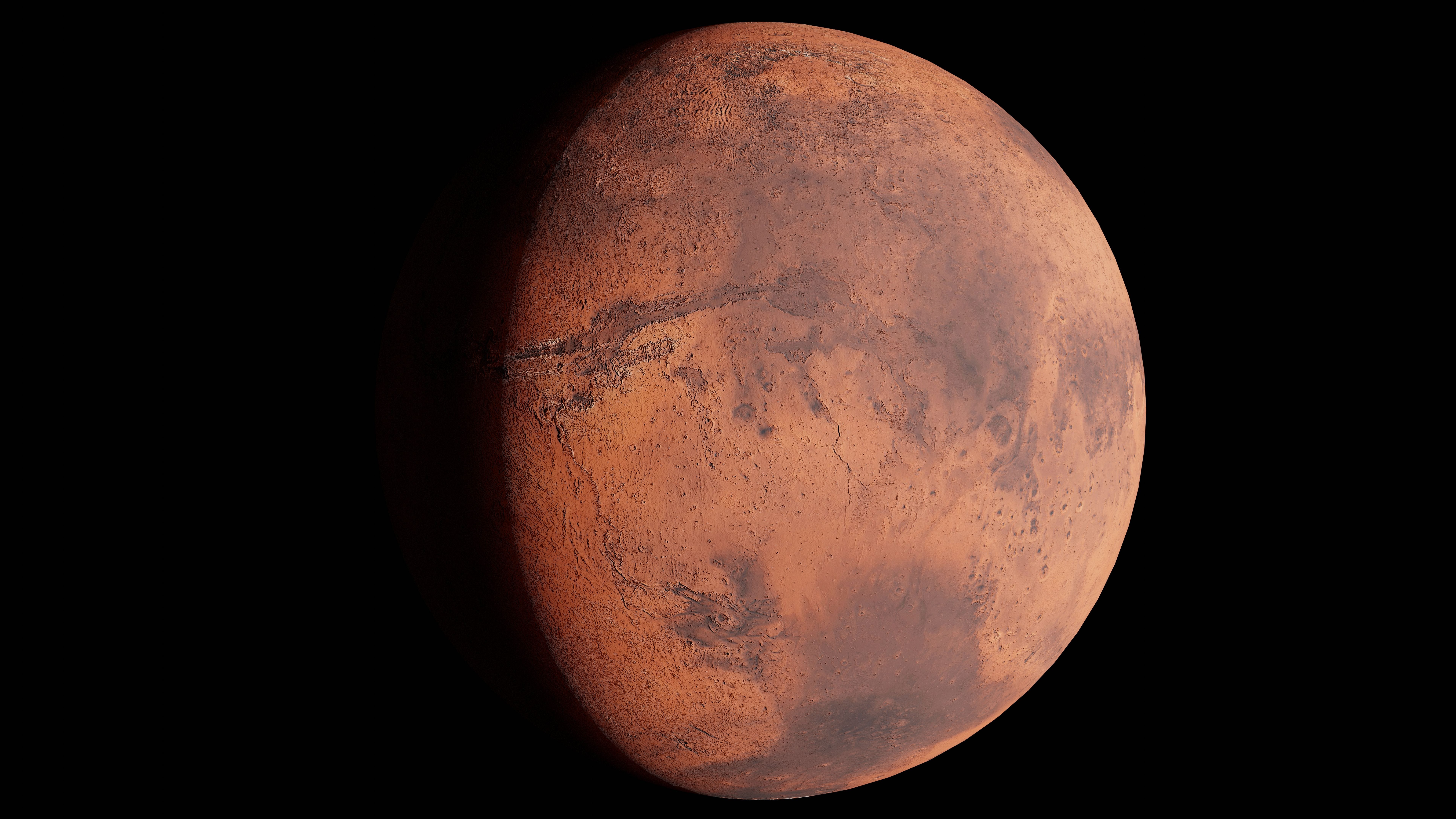
Another captivating lift-off was the Beagle 2 on its mission to Mars. It was sent to search for evidence of life by drilling Martian rocks.
The probe touched down on December 25th — the first British and European spacecraft to land on another planet.
But at the time, no signal was returned to Earth. Heartbreakingly, scientists assumed the craft had crashed on the red planet and it was declared lost.
“My children still call it the Christmas that got cancelled,” reflects Chris Lee who worked on the mission and had gathered with scientists, reporters and celebrities on Christmas Eve to celebrate news of a successful landing. It never came.
“We were pretty miserable driving back to Bristol without the Christmas present we had all worked for.
“I remember walking in and explaining to the family what had happened. Someone put the kettle on.
“I was still hopeful we would find it.”
12 years later, they did. NASA imagery revealed the lander had touched down safely but a single solar panel malfunction prevented it from broadcasting.
While it was branded a failure at the time, the Beagle 2 is recognised today as a major and pioneering achievement.
This week, a Mars-red plaque was unveiled at a Bristol museum to honour the ambition and contributions of the British space engineers behind the project.
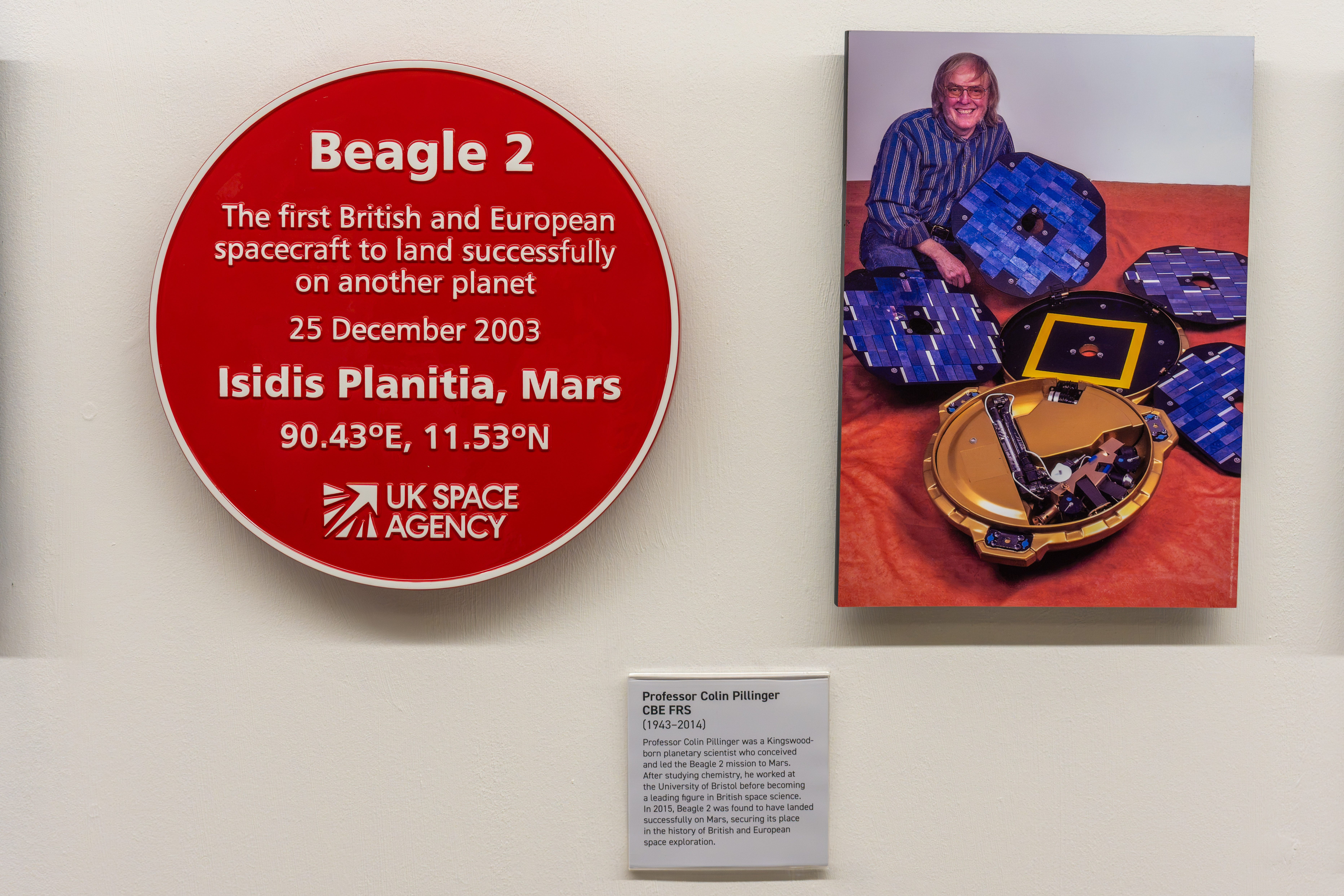
One of them, Bristolian Chris Lee, went on to take up the role of chief scientist at the UK Space Agency.
While there, he advised on “science strategy” and secured funding for space missions.
For the Beagle 2 project, Chris had worked closely with the late Colin Pillinger, a celebrated professor, to determine if his vision was viable.
Chris’ obsession with space research started at a young age.
He recalls being “enthralled” watching the 1969 moon landing on a black and white television set, aged 11.
“I remember wanting to know about the Moon and the science of the Moon. I was a youngster at the time collecting things like I Spy magazines, and I really wanted to know about craters on the Moon,” he laughs.
“I grew up wanting to become an astronomer and a space scientist because I was curious about the Moon, but never wanted to walk or live on the Moon.”
Chris maintains this distinction six decades on.
He cautions: “I’m not a fan of human colonies, human astronauts in space, and so on. Until we have learned to go out there as a community, as a whole, as humanity. At the moment, I’m worried we’re just gonna take our own current warfare ideas out into space.
“I am very concerned about the world that we are passing on to our grandkids.”
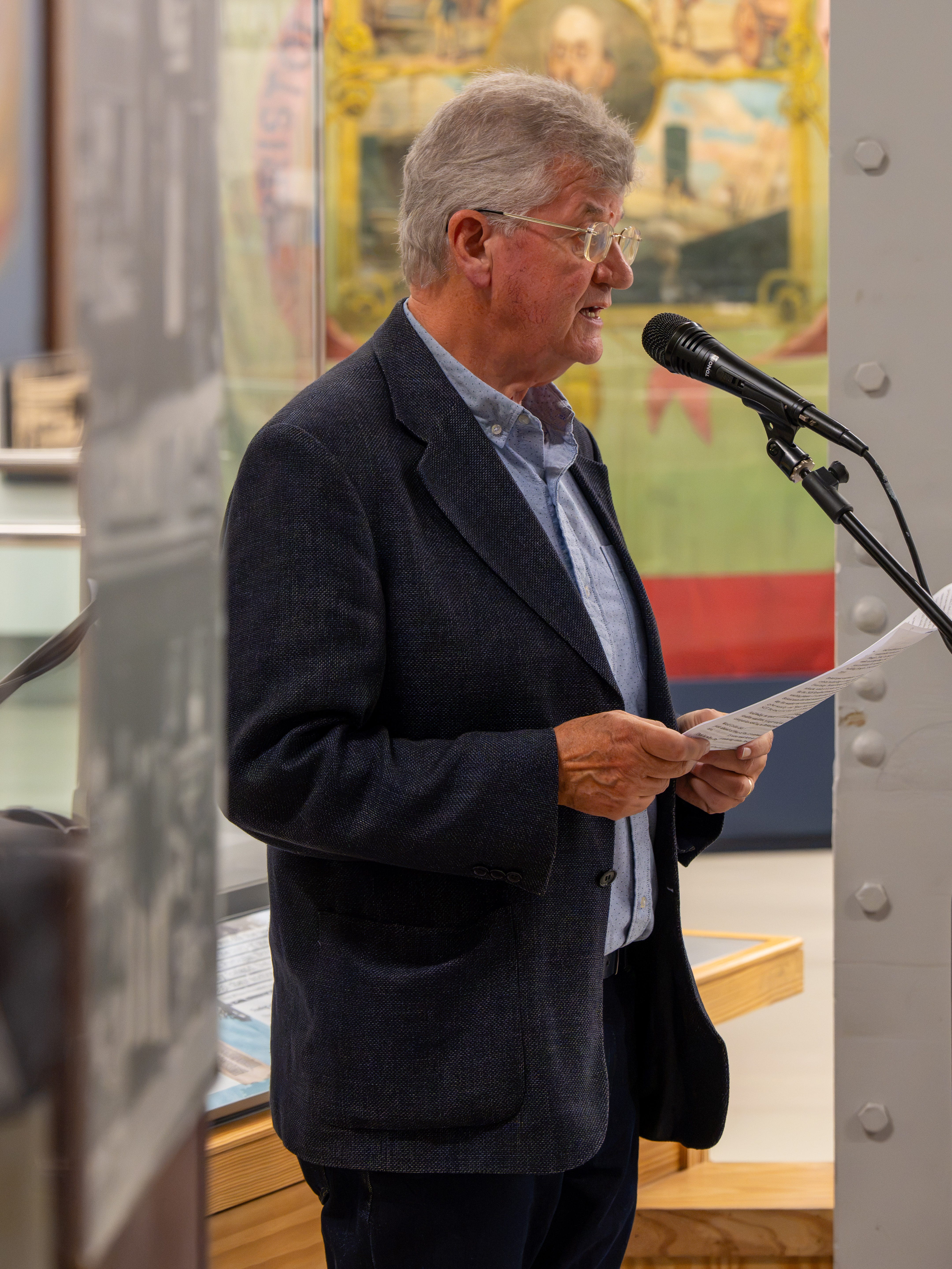
Chris hastens to add that he is encouraged by the climate community and the ability to use space technology to help us improve life on Earth.
He says: “I believe this to be so much more important than trying to figure out if we can live elsewhere on other planets.
“There is nothing more beautiful in the whole universe than one square kilometre of the worst environment on Earth you can imagine.”
Now retired, Chris spends his evenings looking up at Mars, and beyond, with a telescope in his back garden. He says it brings him both “mindfulness” and a “buzz”.
“You can go outside and you can look at galaxies colliding and stars being born. There’s so much going on up there that connects us all back to what’s going on down here.”
Chris lights up about the forthcoming ExoMars mission involving a new generation of Bristol engineers. The Rosalind Franklin rover should launch in 2028 and arrive on Mars in 2030.
He explains: “It will drill at least two metres into the surface, and so we will finally answer Beagle 2’s question.
“Was there potential for organic life to have formed on Mars, and therefore alien life on Mars?
“Frankly, that would be the most exciting science announcement of the century.”
With the boyish grin of a child on Christmas morning, Chris concludes: “My view is there was life on Mars and that eventually when we dig deep enough, we’ll find it.”